
Cultural attitudes towards gambling A global exploration
Historical Perspectives on Gambling
Throughout history, gambling has held a complex position in various cultures, often reflecting societal norms and values. In ancient civilizations, such as those in Mesopotamia and China, gambling was integrated into religious and social practices, serving both as entertainment and a means of fortune-telling. These early forms of gaming were often linked to rituals, illustrating a deep-rooted belief in fate and luck. In the modern context, many people turn to platforms for an engaging experience, such as online casino australia, which cater to diverse preferences.
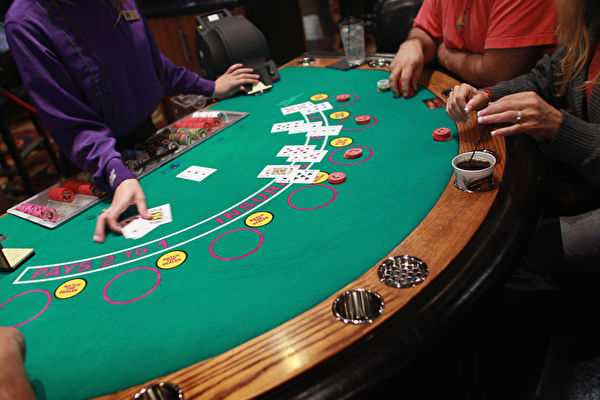
As societies evolved, the perception of gambling began to shift. In some cultures, it became synonymous with vice and moral decay, leading to periods of prohibition and stigmatization. Conversely, other cultures embraced gambling as a legitimate pastime, celebrating its role in community bonding and economic development. This dichotomy continues to shape modern attitudes towards gambling across the globe.
Contemporary Views in the Western World
In many Western countries, gambling is often seen as a form of entertainment, supported by a robust regulatory framework. The rise of online casinos and sports betting has transformed the landscape, making gambling more accessible than ever. In places like Las Vegas and Monte Carlo, gambling is not only accepted but celebrated, attracting millions of tourists each year and contributing significantly to local economies.
However, the acceptance of gambling is not without controversy. Concerns about addiction and the impact on vulnerable populations have sparked debates on ethical gambling practices. Many Western nations have implemented measures to promote responsible gambling, highlighting the ongoing tension between enjoyment and risk within this cultural attitude.
Gambling Attitudes in Asia
In Asia, cultural attitudes towards gambling vary widely. Countries like Macau have embraced gambling as an essential component of their economy, becoming known as the gambling capital of the world. The fusion of traditional values with modern gaming has created a unique gambling culture that attracts millions annually.
In contrast, other Asian nations, such as Japan and South Korea, maintain stricter regulations against gambling due to cultural beliefs emphasizing discipline and moral integrity. In these contexts, the stigma around gambling persists, often associating it with negative social consequences. This complexity reflects a broader dialogue between tradition and modernity within Asian societies.
Gambling Regulations and Their Impact
The regulatory landscape surrounding gambling significantly influences cultural attitudes. Countries with lenient regulations, such as Australia and the UK, often witness a more accepting view of gambling, where it is integrated into social life. This acceptance is often accompanied by efforts to promote responsible gambling, indicating an awareness of potential risks.
Conversely, strict regulations can reinforce negative perceptions of gambling. Countries that prohibit gambling entirely or limit it to state-run operations often see it as a moral issue rather than an entertainment option. Such regulatory frameworks can create an underground gambling culture, further complicating societal attitudes towards the activity.

Exploring Online Gambling Communities
The advent of the internet has reshaped the gambling landscape, giving rise to online gambling communities that transcend geographical boundaries. These platforms have created spaces where individuals can share experiences, strategies, and insights about gambling. This shift has fostered a culture of openness and engagement, challenging traditional views that often stigmatize gambling.
As these online communities grow, they provide valuable resources for both novice and experienced gamblers, promoting informed decision-making. Many online platforms also emphasize responsible gambling, reflecting a cultural shift towards viewing gambling as a recreational activity rather than a purely destructive vice. This evolution demonstrates the dynamic nature of cultural attitudes towards gambling in the digital age.